What Do You Teach A Preschooler?
A parent's guide to foundational skills for ages 3 to 5.
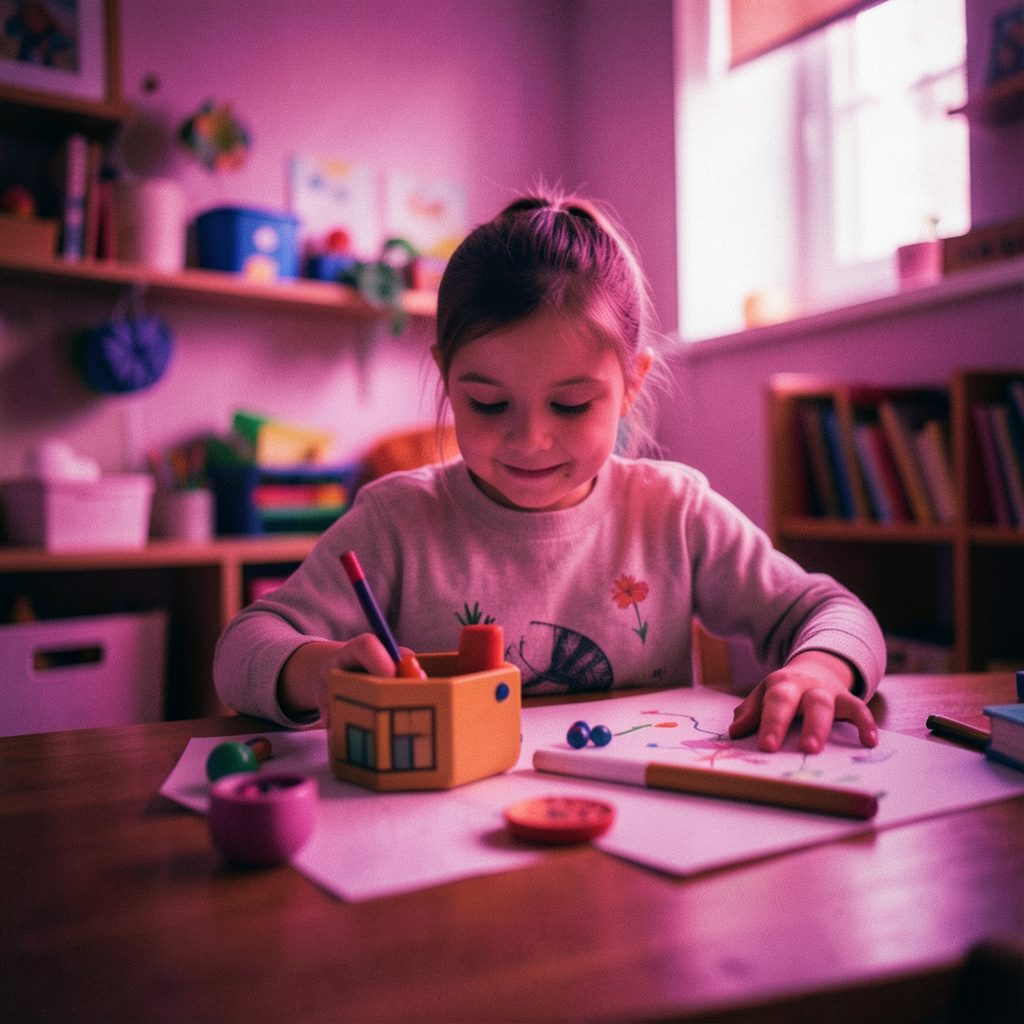
Preschool is a window where curiosity, language, and motor skills grow quickly together. Rather than drilling facts, the work at this age is to build warm, repeated routines around letters, numbers, movement, and other people. Short, playful sessions tend to do more than long formal ones.
The notes below summarize what families commonly introduce between ages three and five, drawn from the kinds of activities shared across Princetontonight's toddler and preschool resources.
Core skill areas
- Letters and sounds: recognizing the alphabet by shape, matching uppercase to lowercase, and hearing the first sound in familiar words.
- Numbers and counting: counting reliably to ten (and beyond), recognizing written numerals, and grouping objects by size, color, or shape.
- Pre-reading habits: sitting with a book, turning pages, pointing at pictures, and retelling a simple story in their own words.
- Pre-writing habits: holding a crayon or pencil comfortably, scribbling with purpose, and later tracing lines and letters.
- Self-care: washing hands, putting on shoes, using a cup, and tidying one toy before choosing another.
Social and emotional growth
Cognitive content only goes so far at this age. Children are also learning how to be a friend, how to wait, and how to name a feeling instead of acting on it. Two habits that tend to help:
- Naming feelings out loud. "You look frustrated that the tower fell. That is okay. Let's try again."
- Modeling kindness. Sharing, taking turns, and saying "please" and "thank you" work best when adults do them visibly too.
Kindergarten readiness
Most kindergarten classrooms assume a child can listen to a short story, follow a two-step direction, speak in sentences, and manage a few minutes of independent play. None of those have to be polished. They just need a foothold.
| Activity | How long |
|---|---|
| Read aloud together | 15 minutes, daily |
| Letter or number game | 10 minutes |
| Outdoor play | 45 to 60 minutes |
| Free drawing or playdough | 20 minutes |
| Help with a real task (sorting laundry, stirring batter) | As it comes up |
A note on screen-free days
Preschoolers benefit from long stretches of unstructured play. Blocks, water, sand, dirt, and cardboard boxes build the same problem-solving muscles that later make math and reading click. A printable worksheet works best as a small, warm-up activity rather than the main event.
Related on Princetontonight
Early literacy at the preschool stage is often built around short, repeatable encounters with letters and sounds rather than formal reading lessons. Families tend to mix story time, name recognition, and simple tracing into the day so that letters become familiar shapes before they become symbols to decode. Rhythm and rhyme, pointing at words while reading aloud, and naming letters in everyday contexts all help a child begin to see print as something meaningful and personal.
Number sense grows best when it is tied to things a child can see and touch, such as counting snacks, sorting small objects, or comparing the sizes of everyday items. Rather than memorizing digits, preschoolers benefit from noticing patterns, matching quantities, and hearing number words used naturally in conversation. Simple board games, songs with counting, and open-ended questions about more or less give early math a friendly, lived-in feeling.
Fine motor skills support almost every later school task, from holding a pencil to buttoning a coat, so activities that strengthen the hands are a quiet but powerful part of preschool learning. Cutting soft paper, threading beads, playing with clay, and using chunky crayons all invite careful finger movements. Pairing these with brief handwriting practice keeps the work playful while still preparing the small muscles for the demands of kindergarten.
Social and emotional growth is just as central as letters and numbers during the preschool years, since young children are learning how to share attention, take turns, and name their feelings. Pretend play, group games, and short chores at home offer gentle practice in waiting, helping, and recovering from small frustrations. Reading picture books about friendship, anger, and kindness gives children words for experiences they are only beginning to understand.
Curiosity about the world often blooms in the preschool years, and a few simple routines can keep that wonder alive. Walks in the neighborhood, questions about weather, watching a plant grow, or mixing colors with water all turn ordinary moments into small investigations. Treating a child's questions as worth answering, even briefly, signals that learning is welcome everywhere and not only at the kitchen table or in a workbook.