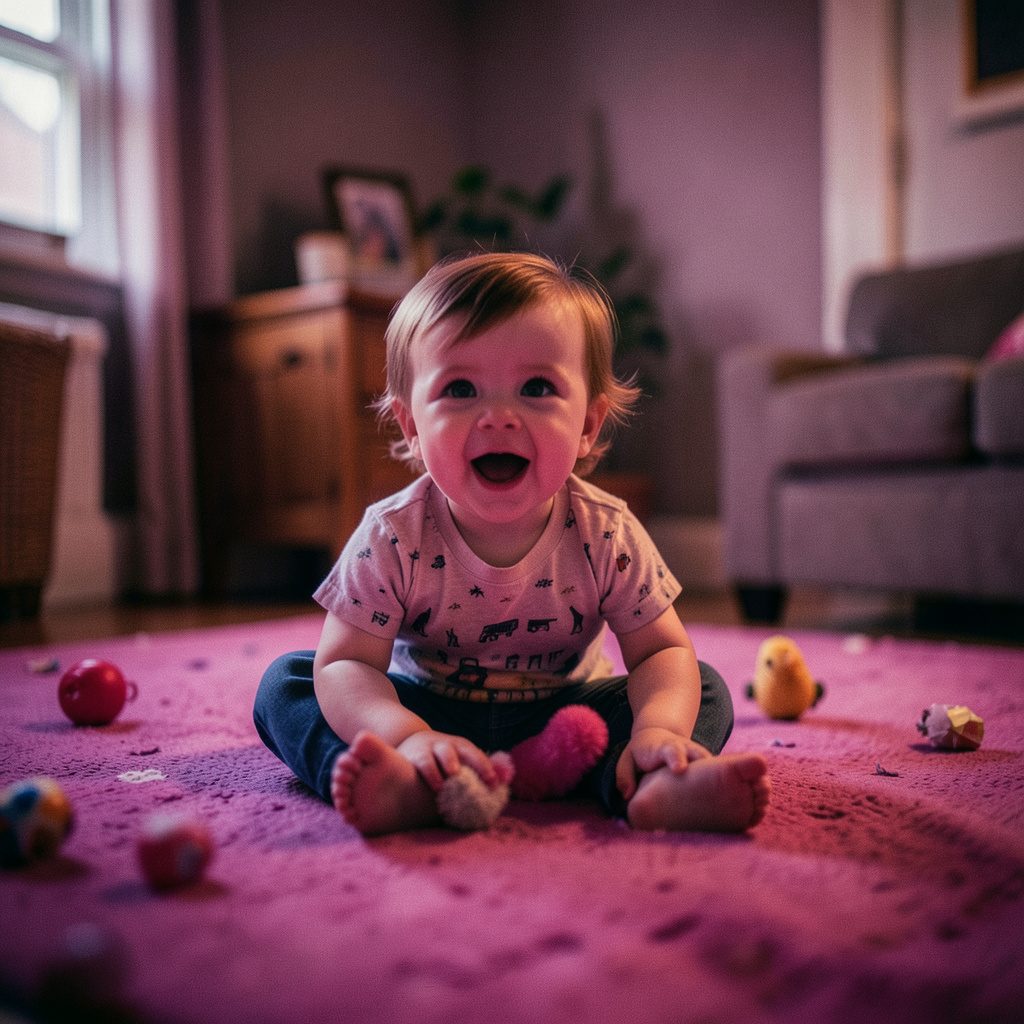
How Do I Entertain My 2 Year Old At Home?
Simple, everyday ways to keep a two-year-old curious, active, and learning.
Two-year-olds learn best through play that touches their senses and uses familiar objects around the house. Short, varied activities matched to a toddler's attention span help build early language, motor skills, and confidence without screens or elaborate supplies.
Activity Ideas
-
Sensory play ideas
Fill a bowl with dry rice, cooked pasta, or water beads and let your child scoop, pour, and squeeze. Sensory bins build fine motor control and calm busy hands.
-
Shape & color recognition
Sort laundry by color, match wooden blocks to drawn outlines, or point out circles, squares, and triangles on everyday items.
-
Interactive storytelling
Read picture books aloud and invite your toddler to name objects, finish simple sentences, or turn the page on cue.
-
Music & movement
Sing short songs, clap rhythms, or put on a favorite track for free dance time. Movement supports coordination and language rhythm.
Quick Setup Guide
| Activity | Common household items | Skill focus |
|---|---|---|
| Sensory bin | Rice, pasta, scoops, small cups | Fine motor, focus |
| Color sort | Laundry, socks, blocks | Color recognition, sorting |
| Story time | Picture books, soft chair | Listening, vocabulary |
| Music play | Favorite songs, scarves | Rhythm, gross motor |
Keeping It Simple
Keep sessions short — around 10 to 15 minutes — and rotate a few favorites through the week. Repeat activities often; toddlers thrive on familiar routines. Follow your child's lead, step in when invited, and pause when frustration shows up.
Toddlers absorb the world around them through play, and the simplest activities often deliver the richest learning moments. At home, everyday objects such as wooden spoons, empty containers, and folded towels become tools for building curiosity. Short sessions matched to a young child's attention span help develop early language, coordination, and confidence without relying on screens or elaborate supplies. A quiet corner stocked with a few favorite items invites repeated exploration and calm, focused attention. Parents who treat ordinary household materials as learning tools create a steady rhythm of discovery that supports preschool readiness and growing independence in a natural, unhurried way over time.
Sensory play remains one of the most effective ways to engage a two-year-old's senses while strengthening fine motor control. A shallow bowl filled with dry rice, cooked pasta, or soft water beads invites scooping, pouring, and squeezing with small hands. These simple materials encourage concentration and calm busy fingers during moments of restlessness. Adding a few cups, spoons, or small containers extends the activity into early sorting and pouring practice. Sensory bins can be set up on a tray or in a low box so cleanup stays manageable for caregivers. The focus is on process rather than outcome, allowing toddlers to repeat actions at their own pace while building the hand strength needed for future writing tasks.
Shape and color recognition fits beautifully into daily routines without requiring special worksheets or purchased materials. Pointing out circles on a plate, squares on a window, or the red of a familiar toy turns ordinary moments into gentle lessons. Sorting a small basket of mixed buttons by color or gathering leaves of different shapes during a short walk offers hands-on practice that toddlers enjoy repeating. Stacking blocks by size introduces early math language alongside spatial reasoning. These everyday observations lay a quiet foundation for later preschool skills, including reading readiness and simple counting, while keeping the experience playful, relaxed, and free from pressure for the young learner exploring the world.
Reading aloud each day supports vocabulary growth, attention span, and a lifelong relationship with books. Even a few minutes spent looking at picture books together helps a toddler connect spoken sounds to meaning. Letting a child turn the pages, point to familiar images, and finish repeated phrases builds confidence and participation. Reading the same beloved stories often reinforces new words naturally without drills or flashcards. A small shelf of board books in a cozy corner invites independent browsing, while caregivers narrate daily routines in simple sentences to surround children with rich language throughout the morning, afternoon, and evening hours of a typical day.
Movement matters just as much as quiet play during the early years of growth and development. Simple activities such as dancing to music, balancing along a line of tape on the floor, or tossing soft balls into a laundry basket build coordination and body awareness. Outdoor time, even in a small yard or nearby sidewalk, supports large motor development and healthy sleep patterns. Mixing active play with calmer moments such as puzzles, stacking toys, and drawing helps toddlers regulate energy levels across the day. A balanced routine of movement and stillness encourages focus, confidence, and the physical foundation needed for future classroom participation.