How Can I Engage My 3 Year Old At Home?
Creative ways to keep three-year-olds entertained and learning at home through play and structured activities.
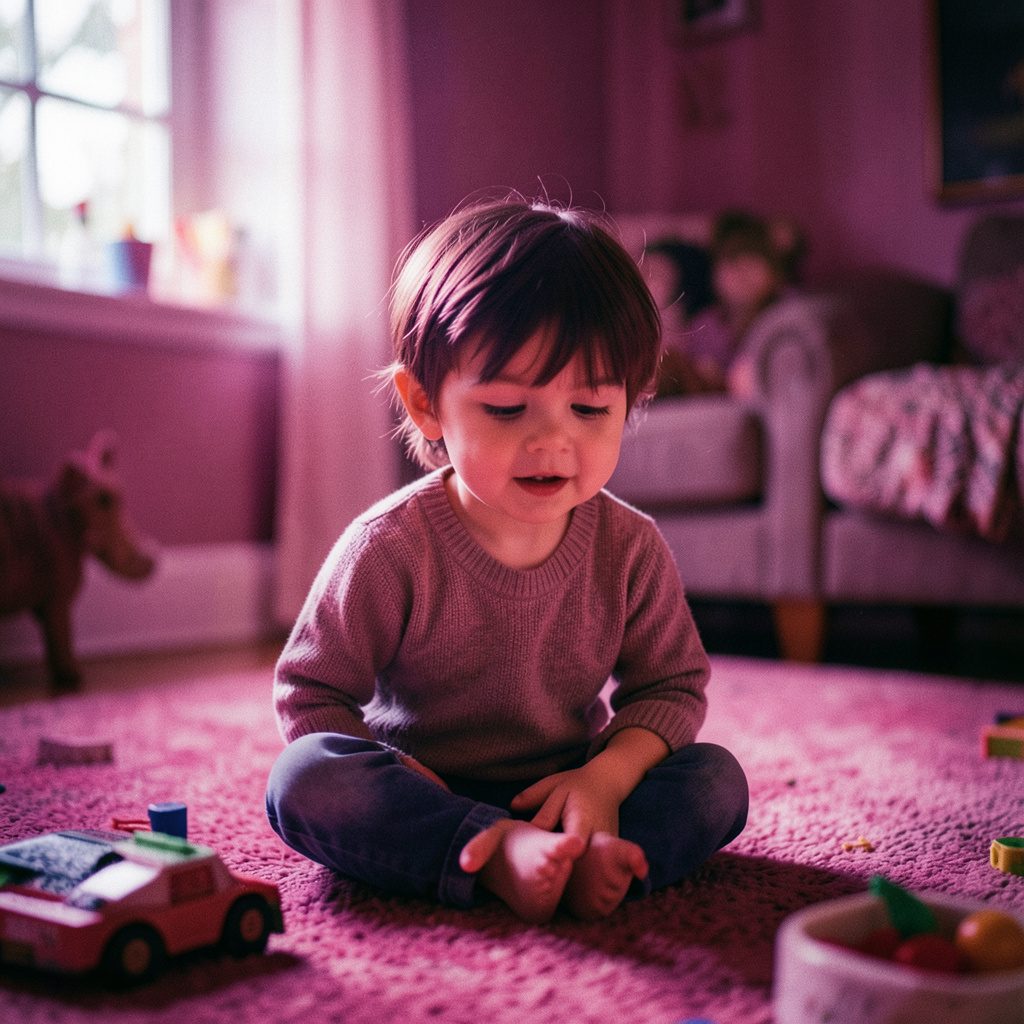
Hands-On Learning Crafts
Three-year-olds learn best when their hands are busy. Simple crafts that ask them to glue, tear, stack, or color turn everyday moments into early lessons about shapes, textures, and cause and effect. Keep supplies within reach and let short projects lead to longer play.
- Cut-paper shapes sorted into bowls by color or form.
- Play-dough snakes and balls for fine-motor warm-ups.
- Cardboard-tube stamp painting with washable paints.
Educational Games for Counting and Money
Short, playful games introduce early number sense without feeling like school. Counting real objects, sorting coins into cups, or matching sets to numerals lets a three-year-old practice math in the same rooms where they already play.
Coin Sort Cups
Label small cups with simple drawings and have your child drop in matching pennies and dimes.
Snack Counting
Count crackers or grapes into groups of two or three, then snack the answer.
Number Hunt
Hide numbered cards around the room and call out digits to find in order.
Pantry Shop
Set up a small shelf as a pretend store and practice handing over and counting items.
Engaging a three-year-old in meaningful learning often begins with simple, hands-on activities that fit naturally into the rhythm of a normal day. Young children absorb new ideas when they can touch, sort, and arrange the objects around them, so parents frequently turn ordinary household items into teaching tools. A few labeled cups, a handful of coins, or a basket of small toys can quickly become the foundation for early math practice, language play, and problem-solving. The goal is not formal instruction but steady exposure to foundational concepts in a way that feels like part of play rather than a structured lesson.
Counting games are among the most accessible ways to introduce early number sense to toddlers. Children enjoy grouping snacks into small sets, matching numerals to quantities on homemade cards, or hunting for hidden numbers around a room. These activities help build one-to-one correspondence, basic sequencing, and an intuitive sense of quantity without requiring worksheets or screens. Because the materials are familiar, the experience remains low-pressure and supportive, allowing children to repeat favorite challenges as often as they wish. Repetition at this age strengthens memory and confidence, turning small daily moments into valuable early math practice.
Early literacy can be nurtured alongside numeracy through short, playful reading activities woven into the day. Pointing out letters on food packages, naming them during a walk, or pausing to discuss pictures in a favorite storybook all contribute to print awareness. Singing simple songs, reciting nursery rhymes, and encouraging a toddler to fill in familiar words during shared reading help develop phonemic awareness. Parents who keep picture books within easy reach often find that young children begin to imitate the act of reading on their own, which lays a gentle foundation for later comprehension and vocabulary growth.
Beyond numbers and letters, everyday routines offer rich opportunities for hands-on discovery that supports preschool learning. Sorting laundry by color, arranging toys by size, or helping to measure ingredients in the kitchen introduces comparison, sequencing, and basic scientific thinking. Outdoor time adds another layer, as children observe textures, sounds, and seasonal changes that later connect to broader science and social studies themes. When learning feels embedded in familiar surroundings and shared with a trusted adult, toddlers are more willing to explore, ask questions, and remain engaged for longer stretches of meaningful play.
Seasonal and Nature-Based Activities
Stepping outside, even briefly, gives a restless three-year-old room to move and a fresh set of things to notice. Tie outdoor discoveries back to indoor art so the day feels connected.
- Leaf and pebble collections sorted by size on a tray.
- Backyard scavenger hunts for colors, shapes, or soft textures.
- Water-play stations with cups and funnels on warm days.
- Quick nature journals with one crayon drawing per day.
Keep Reading and Worksheets Nearby
Pair active play with quiet reading time and short printable activities so the day balances movement and focus. The site's Worksheets section includes simple printables that work alongside these at-home ideas.